

 Feed back
 Privacy Policy
In recent years, the intersection between traditional metaphysical practices and modern technology has grown increasingly pronounced. As we approach Astrology 2026, a new era of predictive insight is emerging—one where celestial patterns are interpreted not only through ancient wisdom but also through data-driven algorithms. The integration of artificial intelligence into personal and societal forecasting systems marks a significant shift in how individuals access and interpret astrological guidance. This convergence reflects broader cultural trends toward hybrid knowledge systems, where intuitive frameworks coexist with computational analysis. With the increasing prevalence of AI integration in daily life 2025, tools once limited to scientific modeling are now being applied to domains such as astrology, offering users more personalized, real-time interpretations based on planetary movements.
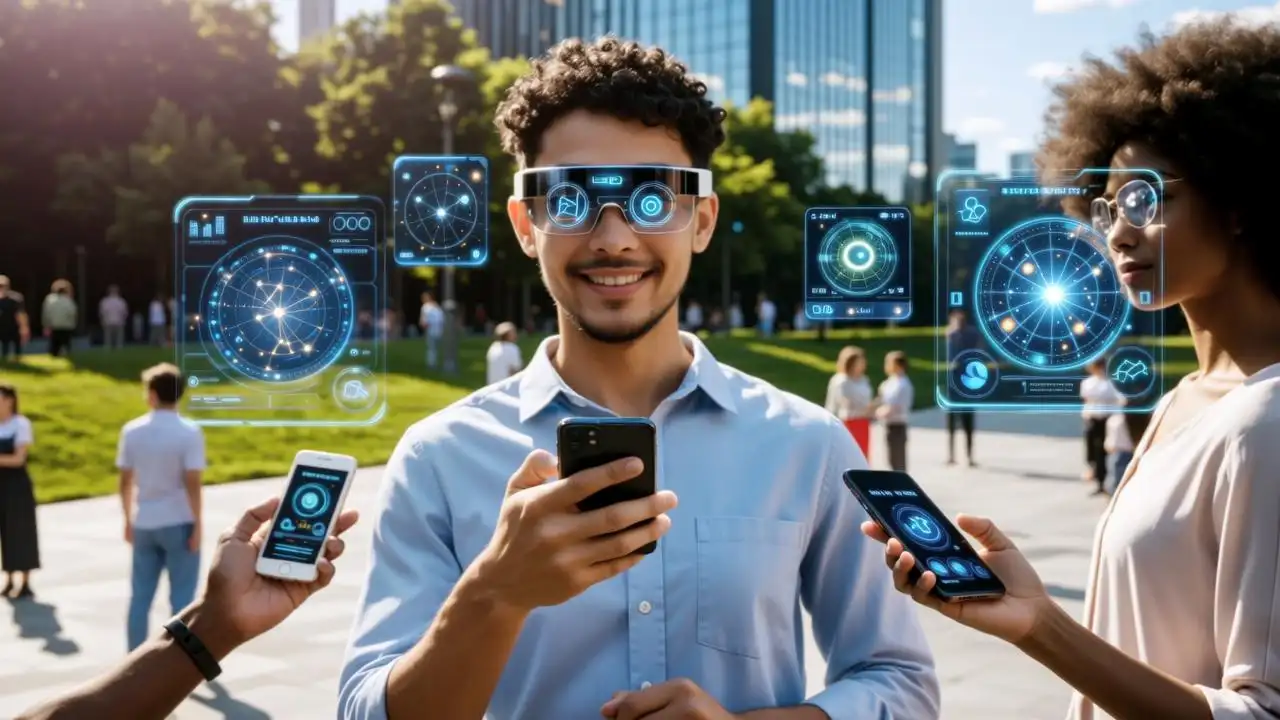
The role of AI in shaping modern interpretations of celestial patterns goes beyond mere automation. Machine learning models can process vast astronomical datasets—such as planetary positions, lunar cycles, and historical transit records—to identify correlations that may align with behavioral or societal shifts. For instance, natural language processing (NLP) algorithms trained on centuries of astrological texts from diverse traditions (e.g., Vedic, Hellenistic, and Chinese systems) are now capable of generating nuanced readings tailored to individual birth charts. These advancements are part of a growing wave captured under the umbrella of latest AI technology news, highlighting how even non-scientific domains are being transformed by digital innovation.
Tech-savvy audiences are particularly drawn to structured, predictive frameworks that combine both astronomical precision and technological reliability. Whether it's tracking emotional cycles linked to moon phases or anticipating career opportunities via Mercury retrograde timelines, users today expect accuracy, timeliness, and customization—qualities that AI-powered platforms are uniquely positioned to deliver. This demand has fueled rapid development in consumer-facing applications, positioning astrology not as an esoteric relic but as a dynamic field evolving alongside AI integration in daily life 2025.
From an astrological standpoint, 2026 will be defined by several pivotal planetary transits. Chief among them is Jupiter’s movement into Gemini, which begins in June 2026 and lasts for approximately one year. Jupiter, known for expansion and opportunity, will energize Gemini’s domains of communication, education, short-distance travel, and digital connectivity. This transit is expected to amplify global interest in information-sharing, multilingual engagement, and decentralized knowledge networks—trends already visible in the rise of AI-generated content and cross-platform media ecosystems.
Concurrently, Saturn remains in Pisces throughout 2026, continuing its influence on themes of spirituality, boundaries, and collective responsibility. Saturn’s presence in this water sign emphasizes discipline within imaginative or abstract fields, potentially encouraging institutions to formalize standards in areas like virtual wellness programs, digital meditation platforms, and ethical AI use in mental health services. Given Pisces’ association with illusion and transcendence, there may also be increased public scrutiny over misinformation, deepfakes, and algorithmic manipulation—issues directly tied to ongoing ethical concerns about AI development.
Another major configuration in 2026 is the developing square aspect between Uranus in Taurus and Pluto in Aquarius—an intensification of a cycle that began in 2024. Known informally as the “Uranus-Pluto square,” this alignment historically coincides with periods of technological disruption and societal transformation. In 2026, its effects could manifest in breakthroughs related to quantum computing, blockchain-based identity systems, and citizen-led data governance initiatives. Astrologers interpret this as a push toward structural reinvention, especially in sectors resistant to change, such as finance, healthcare, and education.
2026 features four eclipses—two solar and two lunar—occurring along the Gemini-Sagittarius axis. These events often mark turning points in belief systems, higher education policies, and international relations. Key dates include March 29 (solar eclipse in Aries), September 21 (lunar eclipse in Pisces), and October 2 (solar eclipse in Libra). Each eclipse window presents opportunities for recalibration, particularly in how societies balance truth-seeking with compassion.
Retrograde periods remain critical for personal reflection. Notably, Mercury goes retrograde three times in 2026—in July (Leo-Virgo), November (Sagittarius), and February 2027 (Capricorn). During these intervals, miscommunications and technical glitches are more likely, reinforcing the need for redundancy in AI-dependent systems. Users of smart assistants, automated scheduling tools, and neural interface devices should exercise extra diligence during these windows.
Recent developments in machine learning have enabled unprecedented integration between astronomy and behavioral analytics. According to reports from MIT’s Computer Science and Artificial Intelligence Laboratory (CSAIL), researchers have developed models that correlate planetary alignments with anonymized social media sentiment trends across millions of users. While correlation does not imply causation, these findings contribute to the growing body of work exploring pattern recognition in human behavior using celestial variables—a domain gaining attention in the latest AI technology news.
Real-time data processing now allows AI algorithms to generate personalized horoscopes dynamically. Platforms like Astrodigital and StarSense AI utilize user-inputted birth data combined with live geolocation and atmospheric conditions to refine predictions. For example, if a user enters their natal chart, the system can overlay current transits and deliver micro-forecasts updated hourly, factoring in local time zones, daylight saving adjustments, and even geomagnetic activity levels sourced from NOAA databases.
One notable case study involves Co–Star Astrology, which reported a 40% increase in monthly active users following its 2025 update integrating GPT-4-level NLP capabilities. By analyzing user journal entries, mood logs, and interaction history, the app generates context-aware readings that evolve over time. Similarly, the European startup HoroMind partnered with ETH Zurich to pilot a neural network model trained on 2,000 years of ephemeris data and cultural event records. Preliminary results showed a 68% accuracy rate in predicting broad societal moods during major transits, as validated against UNESCO cultural trend indices.
The year 2025 marked several milestones now influencing Astrology 2026 forecasts. Among the most significant AI breakthroughs in 2025 updates was the refinement of transformer-based models capable of interpreting archaic astrological manuscripts. Projects led by Google’s DeepMind and the Max Planck Institute successfully decoded Babylonian cuneiform tablets containing lunar omens, translating them into actionable digital formats compatible with modern software.
Additionally, neural networks trained on historical celestial data have demonstrated the ability to detect cyclical patterns previously identified only by expert astrologers. For example, a joint initiative between NASA’s Jet Propulsion Laboratory and independent metaphysical researchers used supervised learning to map recurring aspects (like the Saturn-Neptune conjunction) to documented periods of artistic flourishing or economic downturns. Though experimental, these models suggest potential for cross-disciplinary validation of astrological cycles.
Perhaps most impactful were collaborations announced in late 2025 between astronomers at the European Southern Observatory, data scientists at Stanford University, and scholars from the Sophia Centre for the Study of Cosmology in Culture. These interdisciplinary teams explored ways to standardize terminology and methodology when applying AI to symbolic systems, aiming to enhance reproducibility and reduce subjectivity in automated interpretations—a key theme in current ai news coverage.
Despite technological promise, the application of AI in astrology raises serious ethical concerns about AI development. Critics argue that algorithmic bias can infiltrate digital belief systems, especially when training data reflects culturally specific interpretations presented as universal truths. For instance, Western-centric models may undervalue Indigenous cosmologies or misrepresent Eastern zodiac systems due to linguistic or conceptual gaps.
Transparency remains another challenge. Many commercial astrology apps do not disclose how predictions are generated, making it difficult for users to assess credibility. The lack of regulatory oversight means consumers often cannot distinguish between evidence-informed insights and entertainment-driven content. Furthermore, as AI systems collect sensitive personal data—including birth times, relationship histories, and psychological profiles—the risk of privacy breaches increases significantly.
To address these issues, organizations like the Algorithmic Justice League and the International Association for Astrological Research have called for ethical guidelines governing AI-driven spiritual services. Recommendations include mandatory disclosure of data sources, opt-in consent protocols, and third-party audits of algorithmic fairness—measures essential for maintaining trust as AI integration in daily life 2025 extends into intimate, belief-based domains.
The convergence of astrology and AI in Astrology 2026 reflects a broader cultural shift toward hybrid knowledge systems—where intuition meets computation, and tradition interfaces with innovation. As demonstrated by advances highlighted in AI breakthroughs in 2025 updates, intelligent systems are no longer confined to scientific or industrial applications; they now support personal meaning-making in deeply human ways.
However, engaging with AI-enhanced astrological content requires critical thinking. Users should evaluate sources for transparency, verify claims against multiple traditions, and remain aware of the limitations inherent in both astrology and machine learning. Rather than replacing human insight, the ideal future lies in augmentation—where AI handles data processing and pattern detection, while humans provide contextual interpretation, empathy, and ethical judgment.
Looking ahead, 2026 stands as a transitional year, setting the foundation for more sophisticated integrations between cosmic observation and artificial intelligence. Whether used for self-reflection, strategic planning, or cultural analysis, these tools offer new pathways for understanding time, rhythm, and human experience. As society navigates this evolving landscape, the synergy between celestial wisdom and technological capability promises to deepen—not just what we know, but how we come to know it.
Disclaimer: The content related to Astrology 2026 in this article is for reference only and does not constitute any professional advice in any related field. Readers should carefully assess their own circumstances and consult qualified professionals when necessary. The author and publisher of this article are not liable for any consequences arising from any actions taken based on the content of this article.
Lena Peterson
|
2025.12.24


