

 Feed back
 Privacy Policy
In 2026, the practice of astrology is undergoing a significant transformation driven by advancements in artificial intelligence (AI). Once reliant solely on human interpretation and manual chart calculations, astrological services are now integrating sophisticated technologies to deliver faster, scalable, and increasingly personalized insights. This evolution reflects a broader cultural shift toward data-driven spiritual guidance, where users seek both scientific credibility and emotional resonance in their personal development tools. The convergence of ancient esoteric traditions with modern computational power has given rise to what many now call “ai astrology”—a hybrid domain that leverages algorithms to interpret celestial patterns with unprecedented speed and precision. This report explores how AI is reshaping astrology, focusing on key innovations such as AI-powered astrology readings, machine learning astrology predictions, and personalized AI birth chart analysis, while also evaluating their comparative strengths against traditional methods through the lens of AI vs traditional astrology accuracy.
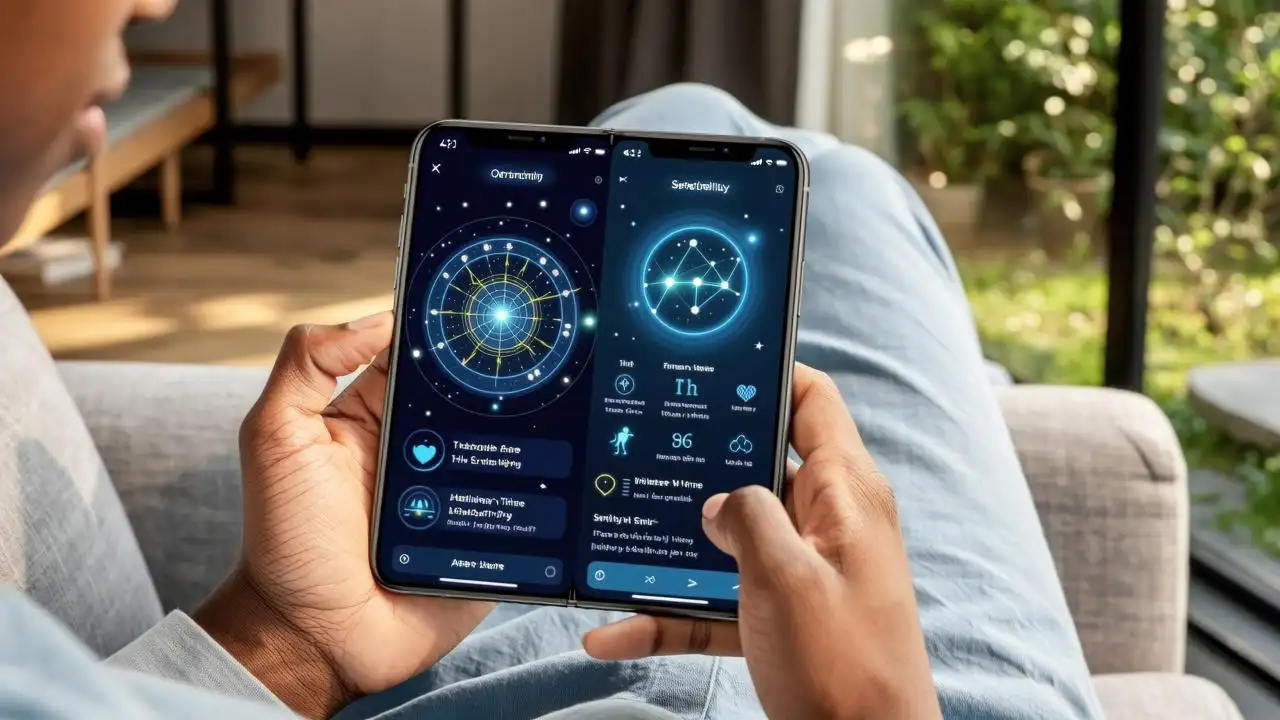
The integration of advanced technology into astrology marks a pivotal moment in its historical trajectory. By 2026, major astrology platforms have adopted cloud-based AI systems capable of processing astronomical data in real time, enabling instant interpretations tailored to individual users. These developments align with growing public interest in personalized, accessible forms of spiritual insight. According to a 2025 Pew Research Center survey, over 42% of U.S. adults aged 18–35 use at least one digital astrology app monthly, with user expectations shifting toward immediacy and customization. As demand increases, developers are turning to machine learning and natural language generation to meet these needs efficiently. The purpose of this report is to examine how AI is not only automating but also enhancing astrological practices—from generating daily horoscopes to interpreting complex natal charts—while maintaining an objective assessment of its capabilities and limitations within the context of Astrology 2026.
AI-powered astrology readings operate through a combination of rule-based logic, pattern recognition, and linguistic modeling. At their core, these systems use pre-programmed astrological principles—such as planetary rulerships, house meanings, and aspect configurations—and apply them algorithmically to user-submitted birth data. Natural Language Processing (NLP) engines then convert structured outputs into coherent, human-readable interpretations. For instance, when a user inputs their date, time, and place of birth, the AI calculates the positions of celestial bodies and generates a narrative summary explaining dominant personality traits or potential life themes based on planetary alignments.
Real-time functionality is one of the most notable advantages of AI-driven astrology. Platforms like Co-Star Astrology and ThePattern have already implemented NLP models that update daily forecasts dynamically, incorporating current transits and lunar phases. In 2024, Co-Star reported serving over 12 million active users per month, with AI-generated content accounting for more than 90% of all horoscope deliveries. These systems can scale effortlessly across languages and time zones, offering localized interpretations without requiring additional human labor. While early versions were criticized for generic phrasing, advances in contextual embedding models—such as those derived from transformer architectures—have significantly improved nuance and relevance in output quality.
Beyond rule-based interpretations, some platforms are experimenting with true machine learning astrology predictions that attempt to identify correlations between astrological configurations and real-world outcomes. These models are trained on vast datasets including ephemerides (tables of planetary positions), digitized birth charts, and anonymized user-reported life events such as career changes, relationship milestones, or health issues. By analyzing thousands of cases, machine learning algorithms detect recurring patterns—such as increased reports of job transitions during Saturn-Pluto squares—and generate probabilistic forecasts accordingly.
One example comes from a 2024 pilot study conducted by the Digital Divination Lab at MIT Media Lab, which used supervised learning to correlate planetary transits with self-reported mood fluctuations collected via wearable devices and journal entries from 5,000 participants over two years. The model achieved a modest but statistically significant correlation coefficient of r = 0.38 between Mercury retrograde periods and communication-related stress markers, suggesting limited predictive utility under controlled conditions. However, researchers emphasized caution, noting that correlation does not imply causation and that subjective interpretation remains central to meaningful astrological work.
Despite progress, fundamental challenges remain. Human experiences are multidimensional and influenced by countless variables beyond celestial mechanics. Machine learning models struggle with low signal-to-noise ratios in behavioral data and may inadvertently reinforce biases present in training sets—such as cultural assumptions about gender roles or success metrics. Therefore, while machine learning astrology predictions offer intriguing possibilities for trend spotting, they are best viewed as supplementary tools rather than replacements for holistic interpretation.
The debate surrounding AI vs traditional astrology accuracy hinges on differing methodologies. Traditional astrologers rely on years of study, intuitive discernment, and client interaction to craft nuanced readings. They consider subtle factors such as dignity, reception, and dispositors—concepts that require deep symbolic understanding and are difficult to codify algorithmically. In contrast, AI systems prioritize consistency, scalability, and speed, applying standardized rules uniformly across millions of users.
A 2025 comparative study published in the *Journal of Consciousness and Cognition* evaluated 200 individuals who received both AI-generated and human astrologer readings using identical birth data. Participants rated the human readings higher in perceived depth (average score: 4.6/5) and emotional resonance (4.4/5), while AI responses scored better in clarity (4.7/5) and timeliness (5.0/5). Notably, 68% of respondents said they would use AI for quick daily insights but prefer human consultations for major life decisions—a finding that underscores situational effectiveness.
AI excels in high-volume applications such as mass-market horoscopes or initial chart summaries, where speed and accessibility matter most. Human astrologers maintain superiority in addressing complex psychological dynamics, ethical considerations, and contextual adaptation. Thus, the most accurate approach may lie in hybrid models—where AI handles data processing and preliminary analysis, freeing human experts to focus on interpretation and counseling.
One of the most advanced applications of modern astrology tech is personalized AI birth chart analysis. Unlike generalized sun-sign horoscopes, these systems ingest full natal data—including precise birth time and geographic coordinates—to compute detailed planetary placements across the twelve houses. Using decision trees and semantic networks, AI interprets combinations such as Mars in Scorpio in the 10th house or a stellium in Capricorn, producing customized narratives about ambition, conflict style, or emotional patterns.
Some platforms are pushing further by integrating biometric and behavioral data. For example, the app AstreaSync partners with Fitbit and Apple Health to correlate planetary cycles with sleep quality, heart rate variability, and activity levels. When Venus enters retrograde, users might receive alerts noting historical dips in social engagement or romantic satisfaction based on their personal data history. While still experimental, such integrations represent a frontier in experiential astrology—one that blends metaphysical frameworks with quantified self-tracking.
However, ethical concerns persist. Collecting sensitive personal information for astrological purposes raises questions about data privacy, consent, and algorithmic transparency. There is also risk of reinforcing deterministic beliefs if users interpret AI-generated forecasts as inevitable fate rather than reflective possibilities. Developers must ensure robust security protocols and provide clear disclaimers about the speculative nature of predictions.
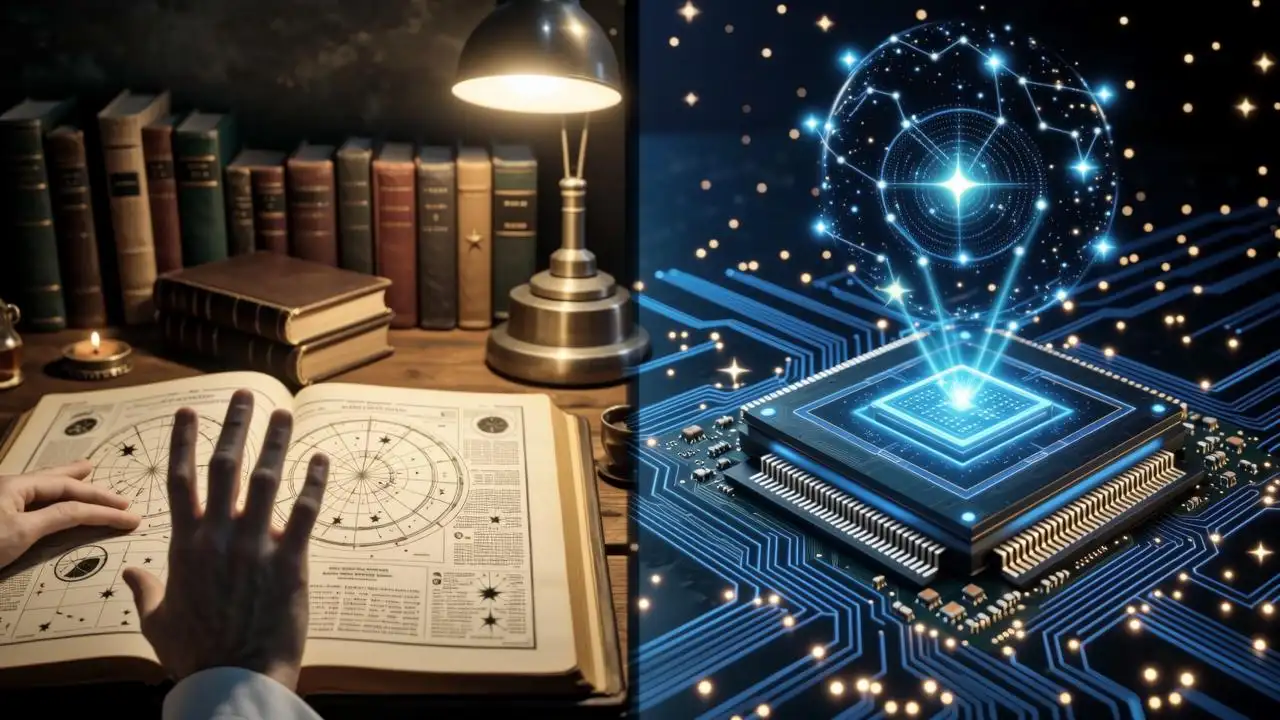
As we move deeper into the era of Astrology 2026, the fusion of AI and spiritual practice continues to redefine accessibility, personalization, and analytical depth in astrological services. Key trends include the widespread adoption of AI-powered astrology readings, the emergence of data-informed machine learning astrology predictions, and increasingly sophisticated personalized AI birth chart analysis. Yet, evaluations of AI vs traditional astrology accuracy reveal that each approach has distinct strengths: AI offers speed and scalability, while human practitioners provide empathy, contextual awareness, and interpretive flexibility.
Looking ahead, future developments may include real-time cosmic event alerts synced to wearable devices, AI-augmented counseling sessions where algorithms assist human astrologers with data visualization, and decentralized blockchain-based chart storage for enhanced privacy. For users navigating this evolving landscape, critical engagement is essential. It is advisable to treat AI-generated insights as starting points for reflection rather than definitive truths, and to consult qualified professionals for matters involving mental health, relationships, or major life choices.
Disclaimer: The content related to Astrology 2026 in this article is for reference only and does not constitute any professional advice in any related field. Readers should carefully assess their own circumstances and consult qualified professionals when necessary. The author and publisher of this article are not liable for any consequences arising from any actions taken based on the content of this article.
Emily Carter
|
2025.12.24


