

 Feed back
 Privacy Policy
The year 2026 is set to unfold under a dynamic and transformative astrological sky, marked by significant planetary transits that may influence global events, economic patterns, and collective consciousness. As astronomers track the precise movements of celestial bodies, astrologers interpret these alignments through symbolic frameworks to offer insights into potential societal shifts and personal developments. This analysis of Astrology 2026 focuses on key planetary configurations—such as Saturn’s entry into Gemini, Jupiter’s journey through Cancer, and Uranus’ continued presence in Taurus—to provide grounded, fact-based 2026 predictions. By integrating astronomical data with traditional astrological interpretation, this article aims to deliver a clear and logical perspective on what lies ahead.
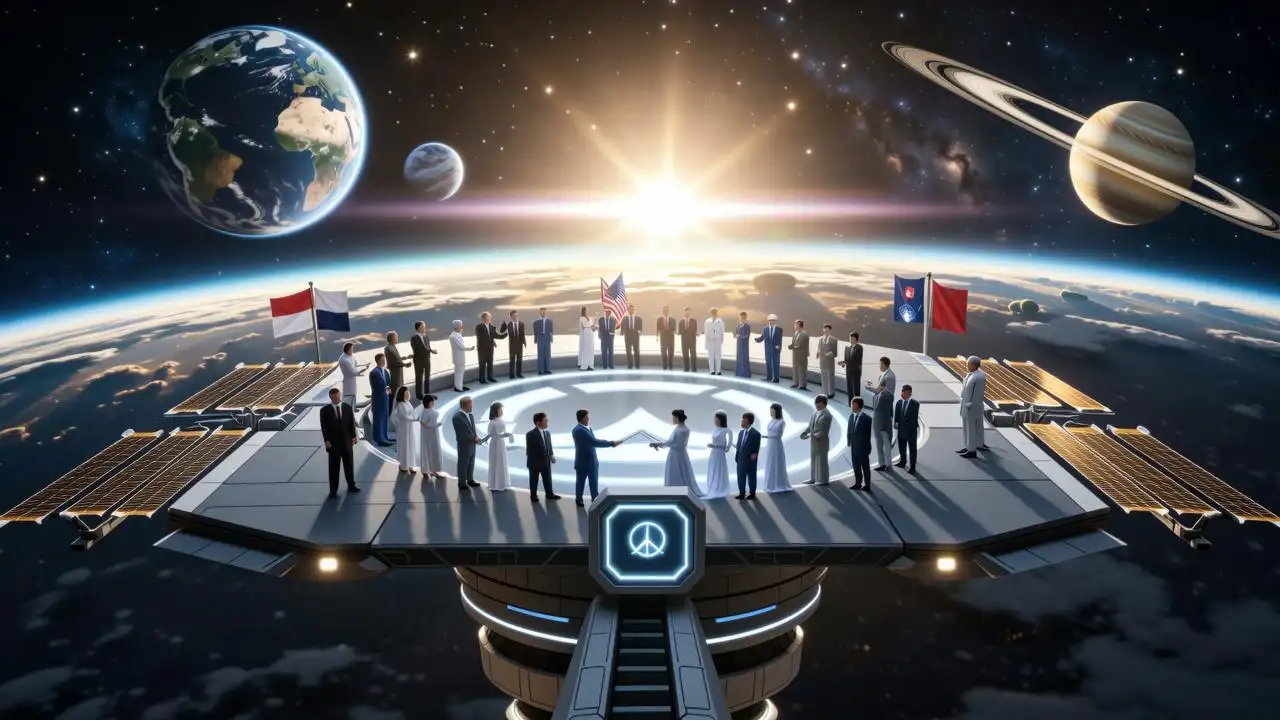
It is important to note that astrology does not claim to predict specific outcomes with scientific certainty but rather offers probabilistic insights based on historical correlations between planetary cycles and human experiences. The role of astrology in forecasting trends—both personal and societal—has been studied for centuries across cultures, from Babylonian star charts to modern psychological astrology. In contemporary practice, astrological forecasts are used not as deterministic tools but as reflective guides to help individuals and institutions prepare for periods of change, challenge, or opportunity. The following sections examine how major planetary movements in 2026 could shape various domains of life, offering readers a structured understanding of the evolving cosmic landscape.
In early 2026, one of the most notable astrological events will be Saturn’s transit into Gemini, occurring around June. Saturn, known as the planet of structure, discipline, and long-term planning, will spend approximately two and a half years in this air sign. Historically, Saturn’s passage through communicative signs like Gemini emphasizes themes related to information systems, education, transportation networks, and digital infrastructure. Given the current global reliance on technology and real-time communication, this transit may prompt governments and private sectors to reevaluate cybersecurity protocols, expand broadband access, and reform educational curricula to meet future demands.
Simultaneously, Jupiter will reside in Cancer throughout much of 2026, enhancing emotional security, family values, and domestic policy initiatives. Jupiter expands whatever it touches, and its placement in the nurturing water sign of Cancer suggests increased public focus on housing affordability, childcare support, mental health services, and national identity issues. Countries may see legislative efforts aimed at strengthening social safety nets, particularly in response to ongoing demographic shifts such as aging populations and urban migration.
Another enduring influence comes from Uranus in Taurus, which continues into 2026 after entering the sign in 2018. Uranus represents sudden change, innovation, and rebellion against outdated systems. Its prolonged stay in Taurus—a sign associated with resources, agriculture, finance, and environmental stability—has already contributed to disruptions in traditional banking (e.g., rise of decentralized finance), food supply chain reforms, and climate activism. In 2026, we may witness further acceleration in sustainable technologies and alternative economic models, driven by both necessity and technological breakthroughs. These developments align closely with broader future predictions 2026 regarding systemic transformation in how societies manage wealth and natural resources.
From an astrological standpoint, the first quarter of 2026 may bring heightened geopolitical tensions due to challenging aspects between Mars and Pluto. Mars governs conflict, military action, and competition, while Pluto rules power dynamics, transformation, and hidden agendas. When these two planets form hard angles—particularly squares or oppositions—they often correlate with escalations in international disputes, intelligence operations, or resource wars. Historical precedent shows similar Mars-Pluto alignments coinciding with military standoffs, such as during parts of the Cold War and more recently in regional conflicts involving energy-rich zones.
However, mid-year offers a more hopeful outlook. A Venus-Jupiter conjunction in Leo around August 2026 is traditionally seen as one of the most benevolent aspects in astrology, symbolizing harmony, diplomacy, and cultural exchange. This period could present opportunities for peace negotiations, international treaties, or collaborative ventures in arts and humanitarian aid. Nations may leverage this time to rebuild alliances or launch joint space exploration projects, reflecting the expansive and generous nature of this alignment.
Additionally, the dominance of water signs—Cancer, Scorpio, and Pisces—in key planetary positions throughout 2026 points to an increased likelihood of climate-related events influencing global affairs. Water signs are linked to emotion, intuition, and the physical elements of water and tides. With several planets moving through these signs, there may be greater public awareness and political urgency around rising sea levels, extreme weather patterns, and freshwater scarcity. Environmental agencies, including the Intergovernmental Panel on Climate Change (IPCC), may release critical reports during this window, reinforcing the need for coordinated global responses. These factors contribute to the growing body of insight on global events predicted for 2026.
The economic outlook 2026 astrology reveals a complex picture shaped by multiple influences. Mercury, ruling commerce, communication, and transportation, will undergo three retrograde phases in 2026—all within air signs (Gemini, Libra, Aquarius). These periods, occurring in March, July, and November, may temporarily disrupt trade agreements, delay product launches in tech industries, and cause miscommunications in multinational corporations. While not predictive of collapse, they suggest times when caution, thorough review, and contingency planning are advisable.
The lunar nodes—the karmic axis representing destiny and growth—will shift into Taurus and Gemini in early 2026, remaining there until mid-2027. This nodal axis highlights a pivotal theme: balancing material security (Taurus) with intellectual progress and connectivity (Gemini). Economically, this may manifest as debates over how to allocate finite resources while investing in emerging technologies such as artificial intelligence, quantum computing, and green energy infrastructure. Public funding decisions during this period could favor innovations that bridge sustainability and digital advancement.
Meanwhile, Uranus’ ongoing activity in Taurus continues to generate market volatility, especially in sectors tied to commodities, agriculture, and cryptocurrency. Sudden price swings, regulatory changes, or unexpected breakthroughs in lab-grown materials could redefine value chains. However, by late 2026, stabilizing aspects between Jupiter and Saturn may introduce a phase of cautious optimism, encouraging measured investment and long-term planning. Investors and policymakers alike should consider these cyclical patterns when assessing risk and opportunity.
One of the most profound dimensions of spiritual shifts in 2026 stems from Neptune’s position in Aries. Neptune dissolves boundaries and inspires visions, dreams, and idealism, while Aries embodies initiative, courage, and self-assertion. Together, this combination fosters a rise in individualized spiritual paths—where people feel empowered to define their own beliefs outside institutional frameworks. Expect increased interest in personalized wellness regimens, energy healing modalities (like Reiki or sound therapy), and non-dogmatic approaches to enlightenment.
Psychic receptivity may also heighten during certain lunar phases and eclipses in 2026, particularly when the Moon forms harmonious aspects to Neptune. Mindfulness practices, meditation apps, and retreat centers could experience growing demand as individuals seek grounding amid rapid external change. Educational institutions may begin incorporating mindfulness training into leadership programs, reflecting a broader societal recognition of inner resilience as a valuable skill.
Furthermore, younger generations—especially Gen Z and early members of Gen Alpha—are increasingly aligning with progressive astrological energies, showing strong natal placements in Aquarius and Pisces. These cohorts tend to value authenticity, social justice, and ecological stewardship, shaping cultural narratives toward inclusivity and planetary responsibility. Their emergence as active participants in civic and economic life marks a generational shift likely to influence policy, consumer behavior, and spiritual culture well beyond 2026.
As illustrated throughout this analysis, the field of Astrology 2026 provides a valuable lens for understanding potential trends across geopolitics, economics, and spirituality. While no forecast can guarantee specific outcomes, synthesizing planetary insights allows individuals and organizations to anticipate windows of opportunity, prepare for challenges, and make informed decisions. Whether considering career moves, investment strategies, or personal growth goals, awareness of celestial rhythms can enhance strategic planning.
It is equally important to balance belief with critical thinking. Astrological interpretations should complement—not replace—empirical data, expert consultation, and rational analysis. Readers are encouraged to use these insights reflectively, recognizing that free will and contextual factors play crucial roles in shaping reality.

For those interested in tracking real-time planetary movements, reliable resources include the United States Naval Observatory’s Astronomical Applications Division, the Royal Observatory Greenwich, and reputable astrology platforms such as Astro.com and the International Society for Astrological Research (ISAR). These sources provide accurate ephemerides, transit calendars, and educational materials to support deeper engagement with astrological studies.
Disclaimer: The information provided regarding is for general informational purposes only and does not constitute professional advice. Regulations and insurance products are subject to change. Consult licensed insurance professionals for guidance specific to your situation.
Lena Thompson
|
2025.12.24


